

cracked laminated glass
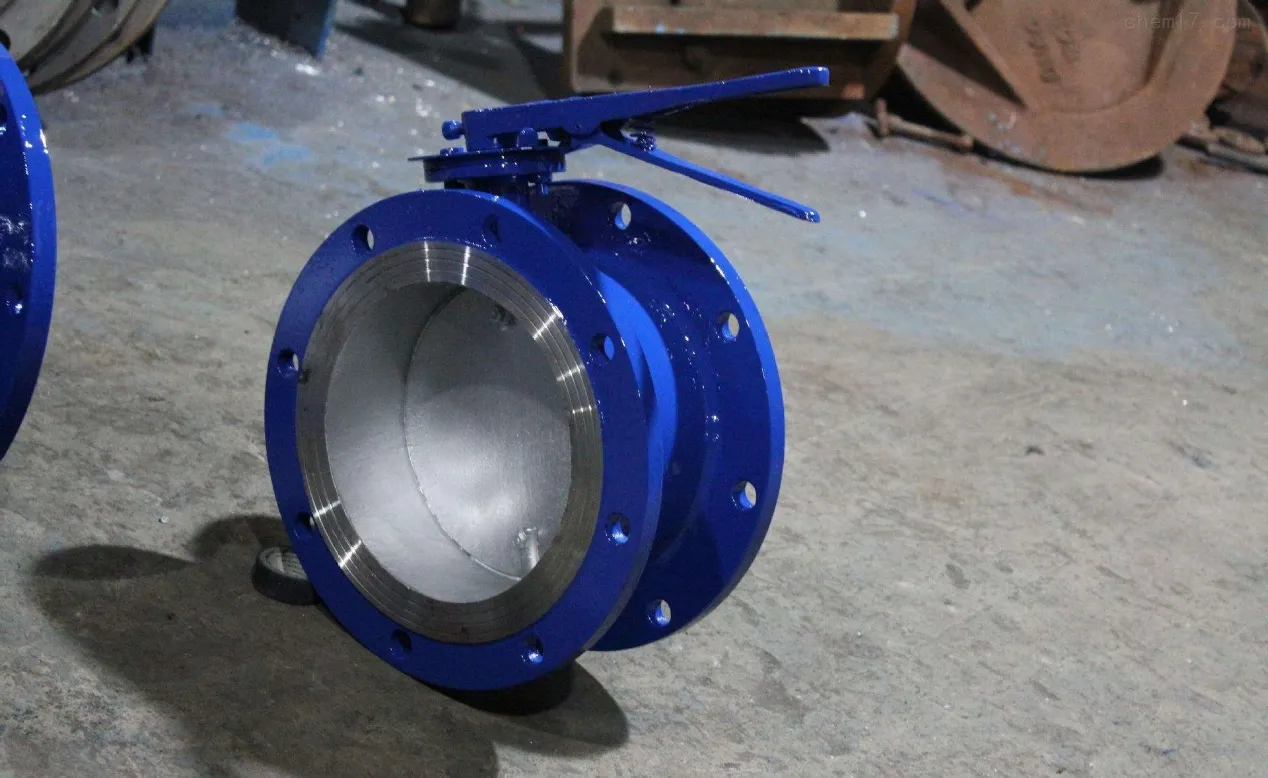
Replacing Water Cut-Off Valves A Comprehensive Guide Water cut-off valves play a crucial role in managing water flow within residential and commercial plumbing systems. These valves help prevent leaks and control the supply of water to various fixtures and appliances. Over time, however, wear and tear can lead to malfunctions, making it essential to replace them promptly. This article will guide you through the process of replacing water cut-off valves, ensuring your plumbing system functions efficiently. Identifying the Need for Replacement Signs that a water cut-off valve needs replacement include difficulty turning the valve handle, visible leaks, or corrosion around the valve. If you notice any of these issues, it’s advisable to address them promptly. Ignoring a faulty valve can lead to significant water damage and increased utility bills. Gathering Necessary Tools and Materials Before embarking on the replacement process, ensure you have the right tools and materials. You will need 1. A new cut-off valve (make sure it matches the size and type of the existing valve) 2. Adjustable wrench 3. Pipe wrench (if necessary) 4. Plumber’s tape 5. Bucket to catch any water 6. Towels or rags for clean-up The Replacement Process replacing water cut off valves 1. Shutting Off the Water Supply Begin by turning off the main water supply to your home. This step is crucial to prevent any water from flowing through the pipes while you work. 2. Draining the Pipes Open faucets connected to the same line as the cut-off valve to drain any remaining water. This will minimize spills when you remove the valve. 3. Removing the Old Valve Use an adjustable wrench to unscrew the old valve. If it’s stuck, a pipe wrench may provide the extra grip needed. Be cautious while removing it, as some water may still be in the pipes. 4. Preparing the New Valve Apply plumber’s tape to the threads of the new valve. This will create a watertight seal when you install it. 5. Installing the New Valve Screw the new cut-off valve into place, tightening it securely with the wrench. Take care not to overtighten, as this could damage the threads. 6. Testing for Leaks Once the new valve is installed, turn the main water supply back on and check for any leaks around the valve. If you notice any leaks, tighten the fittings slightly until the leaks cease. Replacing water cut-off valves may seem daunting, but with the right tools and approach, it can be a manageable DIY task. Maintaining your plumbing system not only enhances its performance but also protects your home from potential water damage. Regular checks and timely replacements will ensure your plumbing remains in top shape for years to come.
about
cracked laminated glass
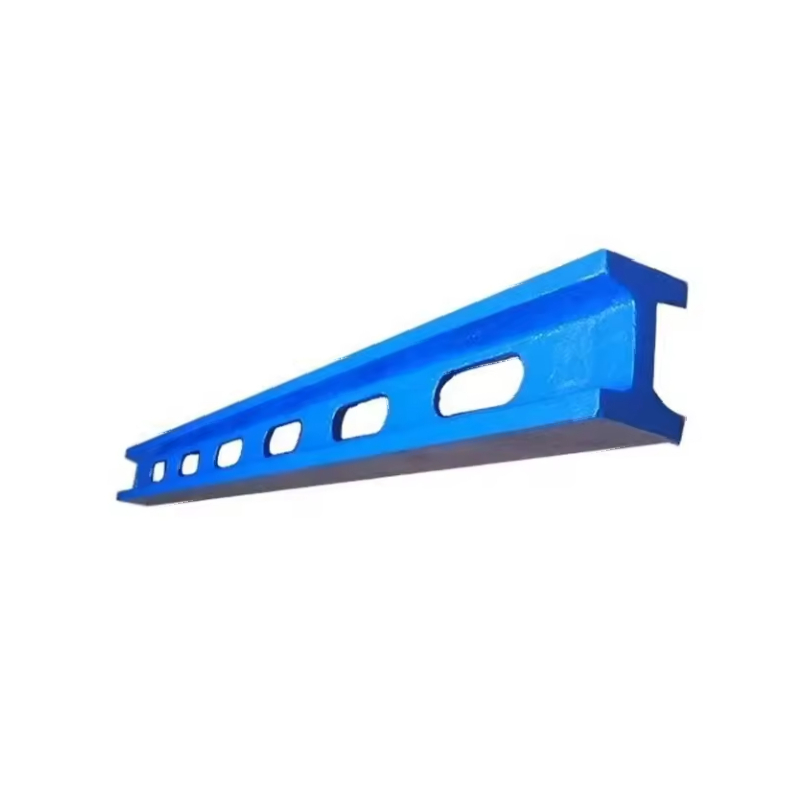
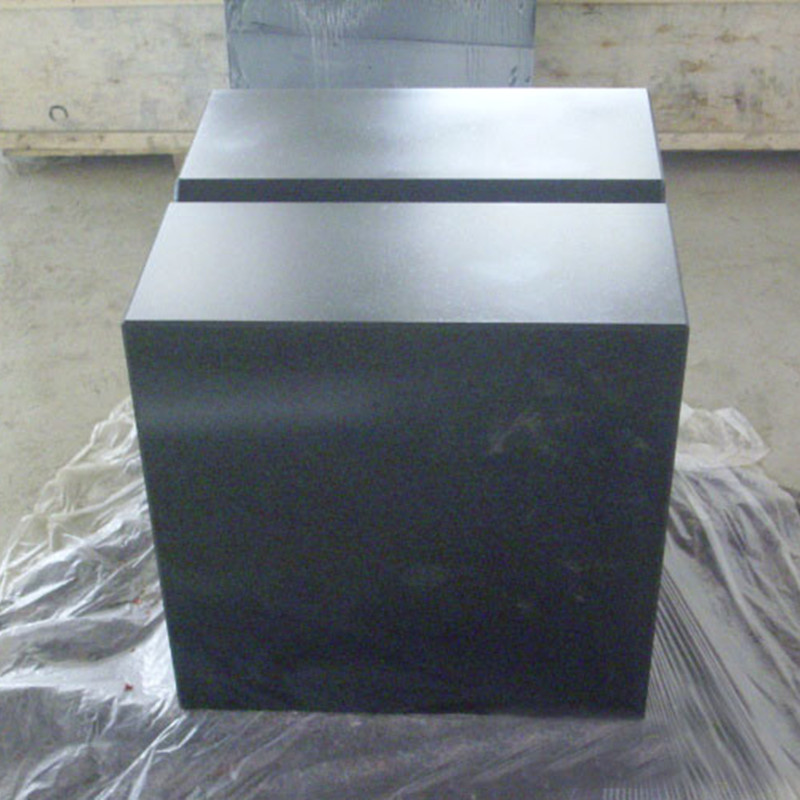
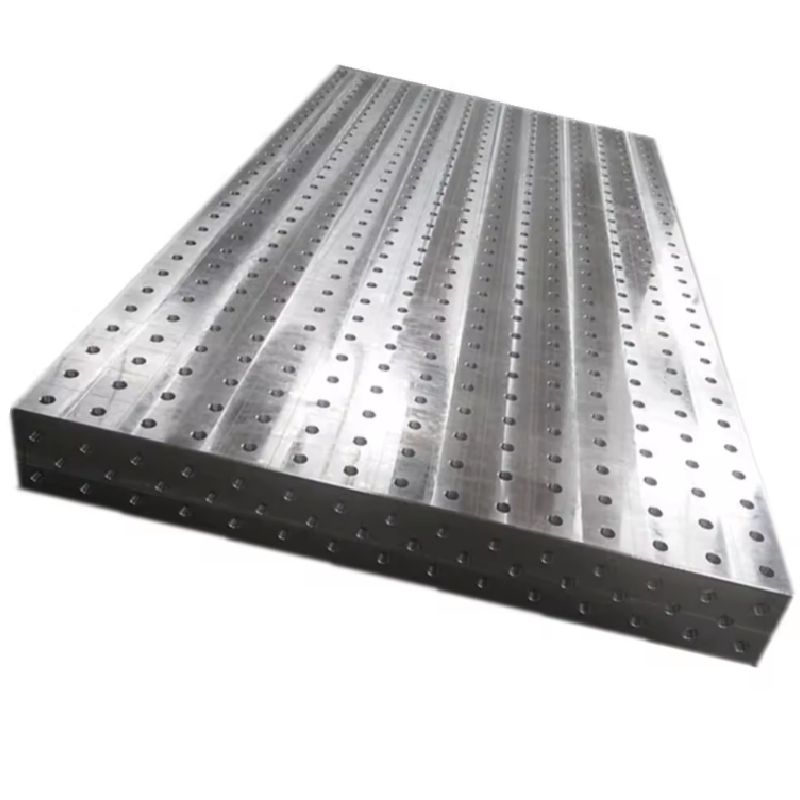
Understanding the Small Surface Plate A Key Tool in Precision Measurement In the realm of manufacturing and engineering, precision is paramount. Small surface plates are essential tools that play a crucial role in achieving accurate measurements and ensuring the integrity of manufactured components. While they might seem simple at first glance, these plates are fundamental in a variety of applications, from quality control to machining and assembly operations. What is a Small Surface Plate? A small surface plate is a flat, usually rectangular or square piece of material, generally made from granite, cast iron, or other stable, rigid materials. The primary function of a surface plate is to provide a perfectly flat reference plane for measuring, marking, or inspecting the geometry of workpieces. Their size may vary, but small surface plates are typically used in smaller-scale applications or in scenarios where space is constrained. Importance of Flatness The defining characteristic of a surface plate is its flatness. The precision of the plate dictates the accuracy of the measurements taken on it. Manufacturers often measure the flatness of a surface plate using a laser interferometer or a dial indicator. A high-quality surface plate will exhibit minimal deviation from a perfect flat plane, often within a few microns. This is crucial since any imperfections could lead to errors in measurements, which can cascade into bigger issues in production. Materials Used Small surface plates can be constructed from various materials, each with its unique advantages 1. Granite Most commonly used for high-precision applications, granite is resistant to wear and temperature variations, and it remains stable over long periods. Its durability makes it an ideal choice for surface plates, as it does not deform easily under mechanical stress. 2. Cast Iron This material is known for its strength and rigidity. Cast iron surface plates are generally less expensive than granite plates but can be subject to corrosion if not maintained properly . They are often used in workshops where conditions may not be as controlled. small surface plate 3. Ceramics and Other Composites Advanced materials like ceramics may be utilized for specific applications that require resistance to extreme temperatures or chemicals. While these materials can be costlier, they offer unique advantages for niche applications. Applications The applications of small surface plates are vast and varied. They serve as foundational tools in quality control, allowing technicians to verify and calibrate the dimensions of components accurately. In machining processes, surface plates are used to check the flatness and alignment of workpieces, assisting in ensuring that machining processes yield the desired tolerances. Additionally, surface plates are essential in setting up gauges and measuring tools. By providing a stable platform, they help in achieving repeatable and reliable measurements essential for quality assessments. Maintenance and Calibration Maintaining small surface plates is vital for ensuring long-term accuracy. Regular cleaning is necessary to keep the surface free from chips, dust, and debris that could affect measurements. Most manufacturers recommend using a soft cloth and specific cleaning solutions to avoid damaging the plate. Calibration also plays a crucial role. As with any precision measuring tool, it is crucial to perform routine calibrations to maintain accuracy over time. Operators typically check flatness using a calibrated dial indicator to ensure that the surface plate is functioning correctly. Conclusion In summary, small surface plates may seem like simple tools, but they are enablers of precision in manufacturing and engineering. Their role in providing a stable, flat reference plane is indispensable for quality control and measurement tasks. The choice of materials—from granite to cast iron—further enhances their applicability across various industrial sectors. By understanding their importance and maintaining them properly, businesses can uphold the standards of precision that are vital in today’s competitive market. Ultimately, small surface plates represent more than just tools; they symbolize the foundation of accuracy upon which quality manufacturing is built.
-

High quality industrial productsagement

High quality industrial products
View Details -

Meet the diverse needs of customers

Meet the diverse needs of customers
View Details -

Strict quality control

Strict quality control
View Details -

Top raw materials

Top raw materials
View Details -

Trusted supplier

Trusted supplier
View Details
Our application
news and information
Wooden frame construction with truss plates and nails for added structural support.
Wood frame construction has been a popular building method for centuries, providing a versatile and
Using a Horizontal Spirit Level for Accurate Measurements in Construction Projects
Understanding the Horizontal Spirit Level A Guide to Precision and Accuracy In the realms of constru
Welding Table Cast Iron Surface Finish Guide
As a wholesaler in the welding equipment industry, understanding the intricacies of welding table ca
 English